Dry Cleaning vs Washing, What Your Clothes Actually Need
You find a "dry clean only" label on a jacket and hesitate. Send it out, or risk the machine? Get it wrong and a favourite piece shrinks, twists or loses its shape permanently. The decision is simpler than it looks once you understand what the two methods physically do.
Dry cleaning is not dry
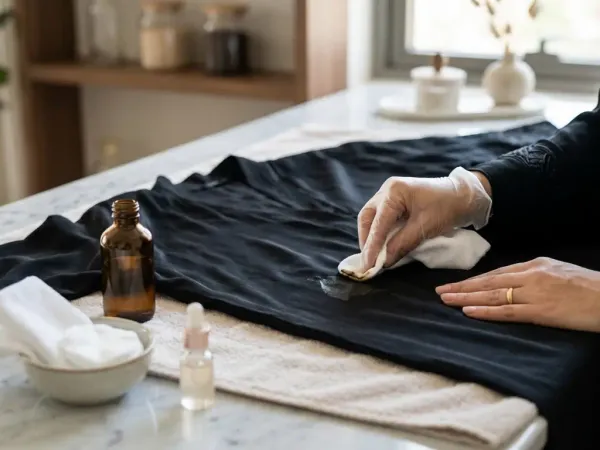
The name is misleading. Dry cleaning uses a liquid solvent instead of water. That distinction matters because water is what causes most laundry damage: it swells natural fibres, which is how wool shrinks and how cotton twists out of shape, and it dissolves the dyes that then bleed. A solvent lifts oil and grime without soaking into the fibre, so the garment keeps its structure. The piece is spot-treated first, cleaned, then pressed and finished, and that finishing is half of what you are paying for.
Washing is better for most of your wardrobe
Water and detergent are genuinely superior for anything worn against the skin. Sweat and body salts are water-soluble; solvent does not remove them well. Cotton t-shirts, underwear, jeans, sportswear, towels and bedding all belong in water, and in Bahrain's heat they need it more often than a European guide would tell you. Sending everyday cotton to dry cleaning is a waste of money and cleans it less well.
The rule of thumb
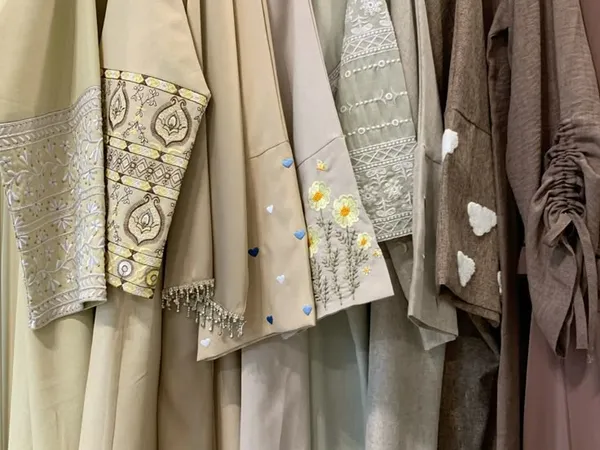
Water for cotton, linen, denim, most polyester, sportswear, towels, bedding. Solvent for wool, silk, suits and blazers with internal structure, pleated skirts, heavy embellishment, and most abayas and bishts. Ask first for anything with leather trim, beading, sequins, a strong colour you have never washed, or genuine sentimental value.
Reading the label without guessing
The circle symbol is the dry cleaning instruction, a plain circle means dry clean, a crossed-out circle means do not. The tub is washing, with the number inside being the maximum temperature in Celsius. A crossed-out triangle means no bleach. A crossed-out square with a circle means do not tumble dry, which in practice is the symbol people ignore most and regret most.
One honest caveat: manufacturers often print "dry clean only" defensively, to cover themselves rather than because water would destroy the garment. On a simple unlined polyester dress that label is frequently over-cautious. On anything with a lining, shoulder structure or a pressed crease, take it seriously, those are built with fusible interfacings that water separates.
The Bahrain factor most guides miss
Living on an island changes the calculation. Humidity here sits high for much of the year, and damp fabric left folded in a bag is where mildew starts, that faint musty smell in a cupboard is usually a garment that was put away not quite dry. Two practical consequences: never leave washing sitting in the machine overnight, and be wary of air-drying heavy items indoors in summer, when the air itself is already saturated.
Salt in coastal air is the other one. If you live near the water in Amwaj, Busaiteen or along the Seef shoreline, fine salt settles into fabric and slowly makes it feel stiff and dull. It rinses out easily in a proper wash, but only if the item is washed rather than repeatedly brushed off and re-worn.
When to just hand it over
If the garment is structured, expensive, traditional or you simply cannot tell, send it out. Our wash and fold handles the everyday load, and dry cleaning is priced per item on the full price list so you can check your specific piece before deciding. Free pickup on orders over BD 3.000 means the decision does not cost you a trip either way.