Getting Your Wardrobe Ready for Ramadan and Eid
The pattern repeats every year. The first three weeks of Ramadan are quiet, then in the final ten days every laundry in Bahrain is buried, thobes for Eid prayer, abayas for family visits, children's outfits, and the household linen for guests, all arriving at once. Turnarounds stretch, and the garment you needed pressed for the morning is not ready. None of it is necessary if you work backwards from Eid rather than forwards from now.
Three to four weeks before Eid
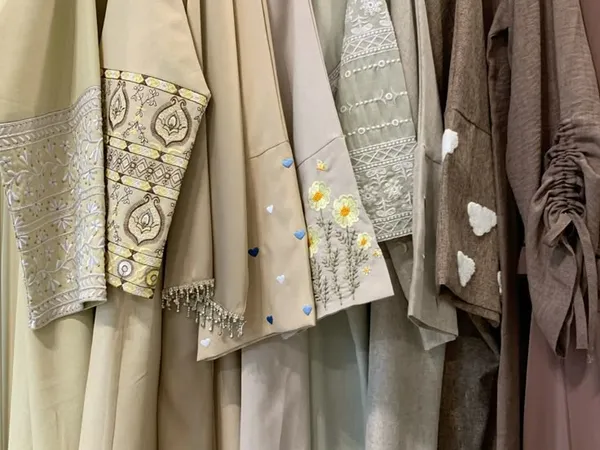
This is the window for anything that needs real work: bishts, heavily embellished abayas, suits, anything with a stain that needs treating and checking, and any garment you have not worn since last year. Occasion pieces stored for twelve months frequently come out with problems, a yellowed underarm, a musty smell from humidity, a crease that has set hard. Discovering that three weeks out is a solvable problem; discovering it two days out is not.
Take everything out of storage now and look at it in daylight. That single step prevents most Eid laundry emergencies.
Two weeks before
Send the main occasion garments, thobes to be whitened and pressed, abayas to be cleaned and steamed, children's outfits. Two weeks is comfortable for standard turnaround with room to spare if something needs a second pass. It is also before the rush properly begins, so you get full attention rather than volume processing.
If you are buying new for Eid, buy now as well. New thobes often benefit from a first press before wearing, and new dark garments should be washed once alone before they meet anything white.
One week before
Household textiles: guest bedding, towels, majlis cushion covers, table linen. These are bulky and slow to dry, so they need the most lead time of anything people leave to the end. If family are staying, the bedding they will use should be washed and put away dry and aired, not washed the night before and still slightly damp.
The last three days
Only quick items, a shirt, a final press, something that got marked. Keep this window deliberately empty. Every year the people who have a calm Eid morning are the ones who left nothing important in the last seventy-two hours.
Practical notes for Ramadan itself
Collection windows shift during Ramadan across Bahrain, many services move to later afternoon and evening rounds to fit around fasting and iftar. Ask what the schedule is rather than assuming the usual times, and book the slot rather than hoping.
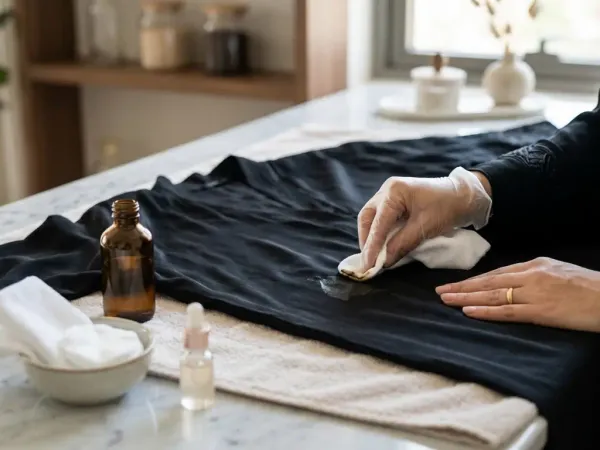
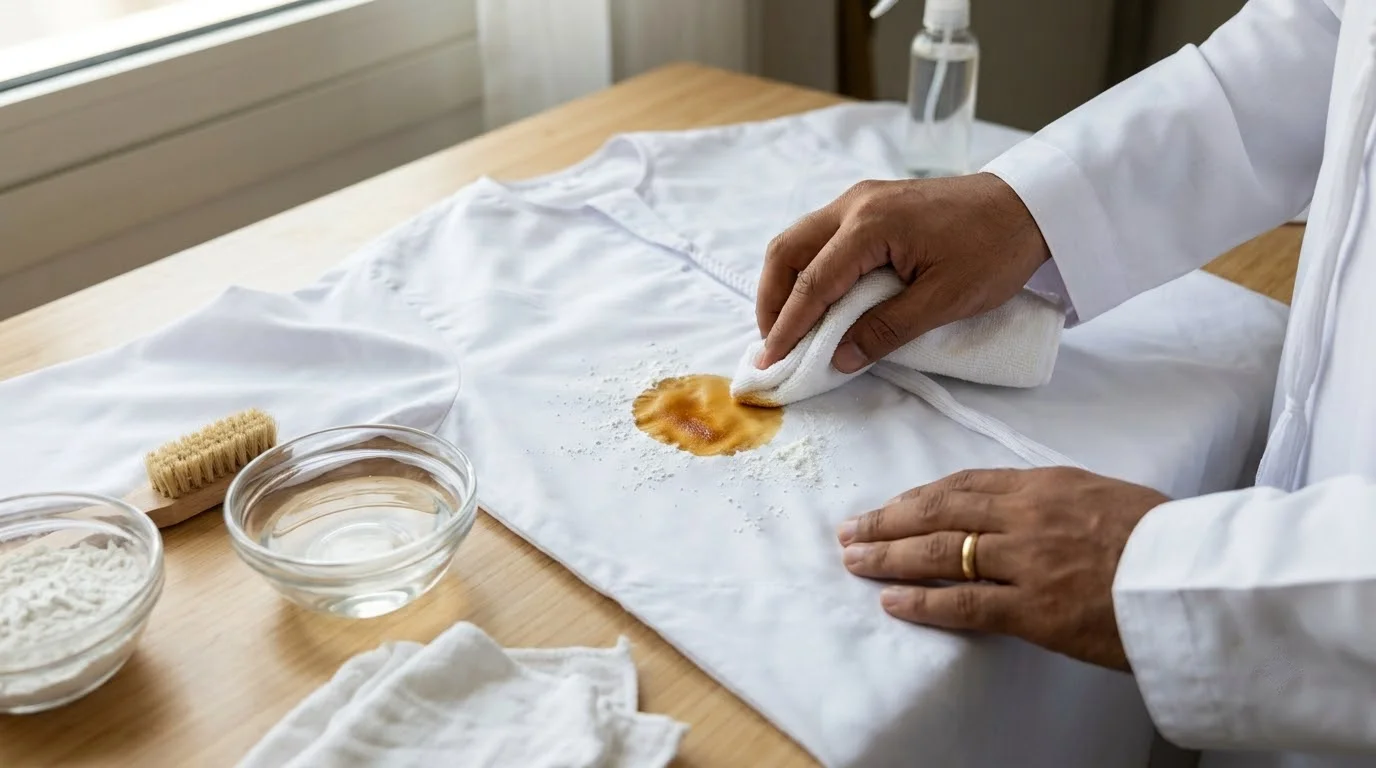
One small thing that saves a lot of trouble: after an iftar gathering, deal with food marks that night rather than the next morning. Oil and sauce on a thobe or abaya set quickly in the heat, and a stain treated within hours is a completely different proposition from one treated after a day.
Storing after Eid
When it is over, clean occasion garments before putting them away, not after taking them out next year. Perfume, oud and body oils oxidise into visible marks over twelve months, and this is precisely why so many garments come out of storage looking worse than they went in. Clean, dry, breathable cover, room to hang.
For the ordinary load through Ramadan, wash and fold from BD 5.000 per 6 kg bag with free pickup over BD 3.000 takes the routine washing off your hands entirely during the busiest month of the year. Occasion pieces are priced individually on the price list.