Thobe, Abaya or Bisht? How Bahrain Laundries Should Clean Each Traditional Garment

A thobe, an abaya and a bisht often hang in the same wardrobe, so it is natural to assume they can be cleaned the same way. In practice they are three of the most different garments you can own. One is washable cotton, one is a heat-sensitive synthetic that usually needs solvent, and one is fine wool wrapped in metallic embroidery that should barely be touched. Treat all three the same and you will eventually ruin at least one of them.
At Laundrykhalas we handle all three across Bahrain, and the single most common cause of damage is a garment being put through the wrong process. This guide breaks down what each one actually needs, where people go wrong, and how a competent laundry should be handling each. For the full detail on any single garment, we link to our dedicated guides along the way.
Quick answer: A thobe is washable cotton and can be cleaned at home or pressed professionally. An abaya is usually heat-sensitive crepe that needs dry cleaning, especially if embellished. A bisht is fine wool with metallic zari and needs specialist solvent cleaning only, never water.
The Thobe: Washable, but Whiteness Is the Challenge
Of the three, the thobe is the most forgiving. It is almost always cotton or a cotton blend, it is built to be worn daily, and it can be machine washed at home. The challenge with a thobe is not whether it can be cleaned, but keeping it genuinely white in Bahrain's heat and humidity, where collars yellow and the whole garment can take on a grey cast over time.
The biggest mistake people make is reaching for chlorine bleach when a thobe dulls. It works once, then turns against you, reacting with body oils in the fabric to create a yellow cast that is harder to remove than the original greyness, while weakening the cotton until it tears at the collar and underarm. Oxygen-based whiteners are the correct tool, and collar and cuff marks need direct pre-treatment before washing rather than a normal cycle.
- Can be washed at home: Wash with whites only, at a moderate temperature, never with lint-shedding towels.
- Avoid chlorine bleach: It yellows and weakens cotton over time. Use oxygen whiteners instead.
- Send it out to reset the finish: Professional pressing keeps it crisp without the shine a home iron leaves.
For the full method, including yellowing under the arms and pressing without scorch marks, see our dedicated guide on keeping a white thobe actually white.
The Abaya: Usually Dry Clean, and Embellishment Changes Everything
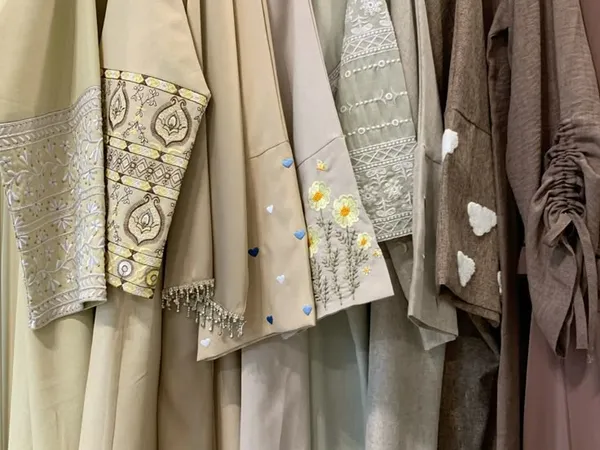
The abaya is where people most often cause accidental damage, because it looks like simple fabric but rarely behaves like it. Most abayas in Bahrain are nida or a similar crepe, a fine polyester weave chosen for how it drapes. It is strong but heat-sensitive, so a hot iron will melt the surface into a permanent shine, and machine agitation stretches the drape until one side hangs lower than the other.
The moment any embellishment is involved, a washing machine becomes actively destructive. Crystals lose their adhesive in warm water, sequins scratch the fabric around them, and beading threads break and unravel across an entire panel. This is why dry cleaning is usually the right answer for an abaya, and essential for an embellished one. Solvent cleaning also handles the perfume, oud oil and makeup that abayas actually pick up better than water does.
- Usually needs dry cleaning: Crepe distorts in a machine and heat marks it permanently.
- Embellishment means hands off the machine: Crystals, sequins and beading do not survive a wash.
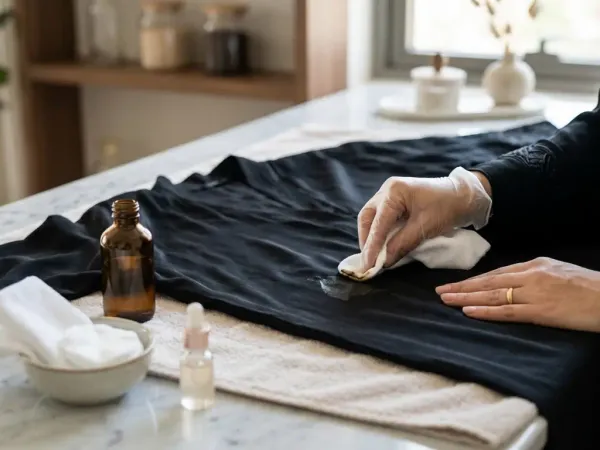
- Oud and perfume need fast, specific treatment: Blot, do not rub, and tell the laundry exactly what it is.
Fabric type, oud marks, pressing and storage are covered in full in our abaya care guide.
The Bisht: Specialist Cleaning Only, Never Water
The bisht is the most valuable garment most men own and the least tolerant of ordinary care. A good one is fine wool or camel hair, sometimes with silk in the weave, and the trim is zari, metallic thread traditionally wound around a silk core. Those two materials want opposite things. The wool wants gentle handling and no heat. The metallic thread wants no moisture, no friction, and no pressure at all.
That combination means a bisht cannot go in a washing machine under any circumstance, and even hand washing is a mistake, because water tarnishes zari and can loosen the couching stitches that hold it to the cloth. Most of the time a bisht does not need cleaning at all, only airing and gentle brushing along the nap. When it genuinely needs cleaning, it needs a specialist solvent clean with the embroidery protected, and the laundry must be told what it is so it is never sent through a standard cycle and press that would flatten and dull the zari permanently.
- Never machine wash or hand wash: Water tarnishes zari and loosens the embroidery stitching.
- Air and brush between wearings: Most of the time it needs freshening, not cleaning.
- Specialist solvent cleaning only: Always tell the laundry it is a bisht so it avoids the standard process.
Everyday care, pressing and the storage mistakes that quietly ruin a bisht are covered in our bisht care guide.
Side by Side: How the Three Compare
Put simply, the three garments sit on a scale from forgiving to unforgiving. The thobe tolerates home washing and only needs professional help to look its best. The abaya tolerates cleaning but not the machine, and embellishment pushes it firmly into dry-clean-only territory. The bisht tolerates almost nothing and should be treated as a specialist item every single time.
If you remember one thing, let it be this: the safest default rises with the value and delicacy of the garment. Wash the thobe, dry clean the abaya, and never do anything to a bisht except air it and hand it to a specialist. A good Bahrain laundry will route each of these to a completely different process, and will ask questions about fabric and embellishment before it cleans anything.
How Laundrykhalas Handles Each in Bahrain
Every traditional garment we receive is assessed before anything happens to it. Thobes are cleaned and pressed for a crisp white finish without bleach damage. Abayas are dry cleaned with embellishment protected and oud marks treated individually. Bishts are routed to a specialist solvent process that keeps the zari intact. Nothing is put through a default cycle simply because it arrived in the same bag as something else.
You can see per-item prices on the price list, or arrange cleaning and pressing through our clean and press service. When you book, tell us which garment it is and whether there is any embellishment, perfume or oud involved, and we will handle it accordingly.
Frequently Asked Questions
Can I wash a thobe, abaya and bisht the same way?
No, they need completely different care. A thobe is washable cotton, an abaya is usually heat-sensitive crepe that needs dry cleaning, and a bisht is fine wool with metallic embroidery that should never touch water. Cleaning all three the same way will eventually damage the abaya or the bisht beyond repair.
Why can't a bisht be washed with water?
A bisht combines fine wool with zari, metallic thread wound around a silk core. Water tarnishes the metallic thread and can loosen the stitches holding the embroidery to the cloth. Even hand washing risks permanent damage, so a bisht needs specialist solvent cleaning with the embroidery protected, never a machine or hand wash.
Does an abaya really need dry cleaning?
Usually yes. Most abayas are crepe that distorts in a washing machine, leaving the hem hanging unevenly, and heat from an iron marks the surface permanently. Any crystals, sequins or beading make a machine actively destructive. Dry cleaning protects the drape and embellishment and removes perfume and oud better than water.
How do I stop a white thobe from turning yellow in Bahrain?
Avoid chlorine bleach, which reacts with body oils to create a yellow cast over time. Use oxygen-based whiteners, treat collar and cuff marks directly before washing, and never press a thobe with an untreated underarm mark, as heat sets it permanently. Professional finishing every few wears resets the whiteness.
Reviewed by the Laundrykhalas editorial team, with hands-on experience cleaning thobes, abayas and bishts across Bahrain.
Have a traditional garment that needs proper care? Let a team that treats each one differently handle it for you. See per-item pricing on the price list or book through our clean and press service today.